

What Is Mining in Simple Terms? How Cryptocurrency Mining Works
A plain-language explanation of mining, Proof of Work, ASIC hardware and why miners consume electricity.
02 / MINING KNOWLEDGE
Mining explained from the first ASIC to electricity, wiring, pools, payback, countries, manufacturers and the future of the industry.
A plain-language explanation of mining, Proof of Work, ASIC hardware and why miners consume electricity.
62 articles in the handbook
A plain-language explanation of mining, Proof of Work, ASIC hardware and why miners consume electricity.

A practical look at Proof of Work, hashing, nonces, blocks, difficulty and how mining protects a network from history manipulation.

A comparison of solo and pool mining: payout stability, pool fees, variance, risks and the practical choice for ASIC hardware.

How hashrate, network difficulty and block reward affect the number of mined coins and ASIC profitability.

How to calculate ASIC consumption, the difference between watts and kWh, and why electricity is often a miner's biggest expense.

Safe miner installation: line load, breakers, cables, outlets, grounding and the limits of a household electrical network.

How much heat an ASIC produces, why miners are loud, and how to organize intake, exhaust, filtration and temperature control.

What happens inside ASIC production: the chip, board, power system, heatsinks, fans, testing and logistics.

How ASIC manufacturers differ, what to check beyond hashrate, and why service, firmware and supply matter as much as specifications.

A practical checklist for choosing an ASIC for home or industrial mining, including electricity, noise, payback and repairs.

How to calculate revenue, electricity, pool fee, reserve, net profit and ASIC payback per day, month and year.

Why 100% uptime is not permanent, how pool fees reduce payouts and why a mining calculator needs a profitability reserve.

How to compare coins and algorithms by hashrate, difficulty, tariff, liquidity, risk and available ASIC hardware.

A comparison of Bitcoin SHA-256 and Zcash Equihash (200,9): hardware, hashrate units, pools, difficulty and practical differences.

How to evaluate a mining location by law, tariff, grid access, taxes, climate and the risk of regulatory changes.

How mining moved from home computers to data centers, why ASICs appeared and what may come next.

What is changing modern mining: ASIC efficiency, the energy mix, flexible load, AI/HPC and government policy.

How halving, network hashrate, difficulty and coin price combine to change miner income and ASIC payback.

A detailed Bitcoin blockchain guide covering block structure, headers, Merkle trees, UTXOs, mempool, forks, reorgs and confirmations.

A deep guide to SHA-256: what Bitcoin hashes, why double hashing is used, and how nonce, target, difficulty, ASICs and pools work.

An accessible review of Bitcoin transaction research: clustering heuristics, what is visible on-chain and why pseudonymity is not complete anonymity.

A miner-focused look at the Bitcoin block header: which fields change during Proof of Work and how the network regulates difficulty.

A practical analysis of Bitcoin pools: Foundry, AntPool, F2Pool, ViaBTC, Braiins and others. Compare FPPS, PPS+, PPLNS, fees, risks and ASIC fit.

A practical Bitmain and Antminer overview covering SHA-256, Scrypt, efficiency, cooling, warranty and buying risks.

How MicroBT and WhatsMiner compete with Bitmain: models, efficiency, cooling, service and buying criteria.

A Canaan and AvalonMiner overview covering the ASIC pioneer, models, efficiency, service and buying risks.

A detailed Bitdeer SEALMINER review: self-mining, hosting, SHA-256 ASIC development, A2/A2 Pro configurations and the risks of a new hardware line.
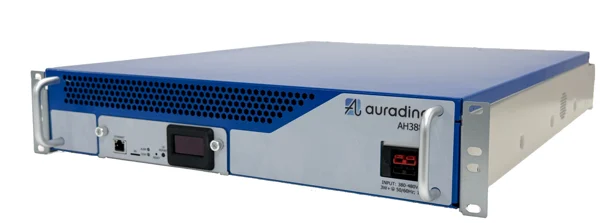
An Auradine Teraflux overview covering air, hydro and immersion miners, efficiency, demand response and service.

A Goldshell Box, Lite, Echo and Max overview: target algorithms, home operation and buying risks.

An iPollo overview covering V, B and G series, memory, algorithms, efficiency, service and secondary-market risk.
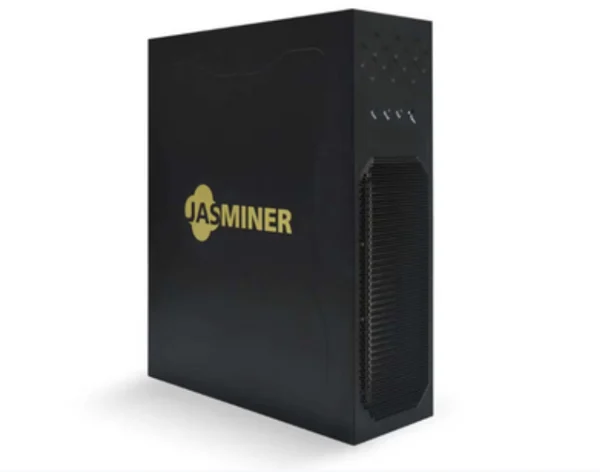
A Jasminer X16 and X44 overview covering Etchash efficiency, memory, noise, payback and official-site verification.
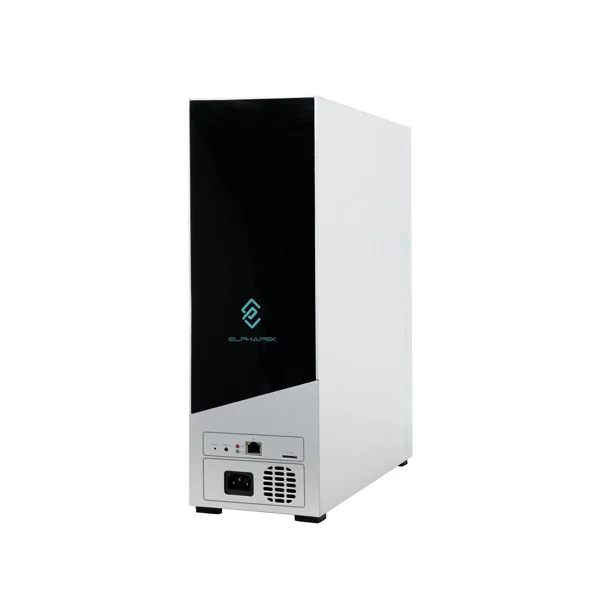
An ElphaPex DG-series overview: Scrypt, LTC+DOGE merge mining, efficiency, cooling and new-manufacturer risk.

What to know about ICERIVER: Kaspa, Alephium, proprietary chips, narrow specialization risk and seller verification.

Foundry USA focuses on large-scale operations, resilient infrastructure and a predictable payout model for operators with substantial hashrate.

AntPool is connected with the Bitmain ecosystem and supports multiple algorithms and coins. Its strengths are scale, a familiar interface and broad infrastructure.

ViaBTC combines a mining pool, wallet and exchange tools. That is convenient, but fees, payout thresholds and feature availability should be checked for the selected region.

F2Pool has operated as a multi-coin pool for years and lets miners manage different algorithms from one dashboard. The key detail is that fees, payout rules and thresholds differ by coin.

Braiins Pool grew out of Slush Pool, one of the pioneers of pooled mining. Today it is often considered together with Braiins OS and Stratum V2, so its value is not limited to payouts.

Luxor builds infrastructure for miners and hashrate, including global Stratum endpoints and separate Bitcoin and Scrypt products. Its strength is a professional approach, while some services target business customers.

OCEAN emphasizes helping miners understand which transactions enter a block template. It has a strong decentralization thesis, but miners should read the current payout rules before connecting.

CKPool is most often discussed in the context of solo mining: a miner keeps the chance of finding a block rather than receiving a smooth share of rewards. It is a different risk model, not a normal FPPS replacement.

Binance Pool attracts miners who already use the Binance ecosystem. Availability, payout rules and regional restrictions can change, so the official documentation should be checked before pointing hashrate.

BTC.com is known for monitoring tools and APIs for mining management. For a farm, this can matter more than a small advertised fee difference because fast offline-worker detection affects uptime.

Binance is a global crypto platform with a broad set of markets and tools. It should not be viewed only as a place to buy Bitcoin: each product has different risks, liquidity, fees and regional availability.

Coinbase emphasizes simple crypto access, custody and regulatory compliance in supported jurisdictions. A simple interface does not remove the need to check fees, limits and withdrawal terms.

Kraken is known for account security, advanced trading modes and fiat support in selected countries. Before using it, check which products are available to a user in Ukraine.

OKX combines a centralized exchange with Web3 and non-custodial tools. That helps users move between exchange and blockchain infrastructure, but adds more permissions and risks to understand.

Bybit targets active trading and derivatives. Feature richness does not mean low risk: futures, leverage and copy trading can quickly magnify both gains and losses.

Bitget offers spot and derivatives markets together with copy trading. Copying another trader does not create guaranteed income: drawdown, position size, leverage and stop rules still matter.

KuCoin is often considered for its broad choice of tokens and trading pairs. With less liquid assets, pay close attention to spread, order-book depth, volume and withdrawal availability, not just listing status.

Crypto.com develops more than an exchange: it offers a wider mobile and payment ecosystem. Choose between the simple app and advanced terminal only after checking feature availability and actual costs.

Gemini positions itself around regulation, security and custody infrastructure. Product availability depends on jurisdiction, so global brand recognition does not guarantee every feature for a Ukrainian user.

Bitstamp has a long history in crypto trading and is known for a more focused product set. For a miner, it can be an option for converting rewards, but check deposit networks, fees and limits before transferring funds.

A detailed guide to mining algorithms: which ones are active, which became historical, what coins use them and what hardware they need.

A complete overview of mining methods, hardware, participation models, coins and risks.

A full Bitcoin guide covering keys and wallets, transactions and UTXOs, nodes, mempool, mining, halving, fees, confirmations and risks.

A detailed guide to HDD and SSD mining: Proof of Space and Time, plotting, farming, Chia, disk workload, endurance, electricity, risks and ROI.

What happens between an ASIC and a pool: jobs, shares, accepted, rejected, stale, vardiff, latency and failover endpoints.

A practical explanation of TH/s, watts and J/TH, and how power modes change ASIC profitability.

A practical ASIC maintenance checklist covering cleaning, airflow, fans, temperature, cables and kernel logs.

How to update ASIC firmware safely, preserve settings, protect the web interface and keep control of the miner.

A first-start checklist for an ASIC: IP address, Ethernet, pool URL, worker name, failover and accepted-share verification.